Tag Archives: forex market
Online trading has become a cornerstone of the digital economy, providing individuals and institutions with unprecedented access to financial markets. As technology continues to advance, the benefits of online trading have expanded, offering convenience, efficiency, and opportunities for growth. Understanding these advantages is essential for traders seeking to leverage the digital economy effectively.
One of the primary benefits of online trading is accessibility. Digital platforms allow traders to access global markets from virtually anywhere, removing the need for physical presence on trading floors or reliance on traditional brokers. This accessibility enables participation in a wide range of markets, including stocks, forex, commodities, indices, and cryptocurrencies. As a result, traders can diversify their portfolios and capitalize on opportunities across different asset classes and regions.
Speed and efficiency are also significant advantages. Online trading platforms provide real-time price feeds, instant order execution, and customizable alerts. This immediacy allows traders to respond quickly to market movements, reducing delays that could impact profitability. In a digital economy where markets can fluctuate rapidly, the ability to act in real time is invaluable for both short-term and long-term trading strategies.
Cost-effectiveness is another key benefit. Online trading typically involves lower fees, tighter spreads, and minimal commissions compared to traditional trading methods. This reduces the overall cost of trading, making it accessible to a broader range of participants, including retail traders with smaller capital. Lower costs also allow for more frequent trades and better risk management without significantly eroding profits.
Technological tools and resources further enhance trading efficiency. Platforms often offer advanced charting, technical indicators, automated trading options, and educational materials. These tools support informed decision-making and allow traders to implement complex strategies with greater precision. Automated trading and algorithmic solutions, in particular, enable consistent execution of strategies, minimizing human error and emotional decision-making.
In addition, online trading fosters transparency and control. Traders can monitor their portfolios, track performance, and adjust strategies in real time. Access to market news, economic calendars, and analytical tools ensures that decisions are based on accurate, up-to-date information, empowering traders to manage risk and optimize returns effectively.
In conclusion, online trading in a digital economy offers accessibility, speed, cost-effectiveness, advanced tools, and greater transparency. These benefits make it an attractive avenue for both novice and experienced traders, allowing them to participate efficiently in global markets, implement informed strategies, and capitalize on the dynamic opportunities presented by the digital age.
Risk management separates successful CFD traders from those who lose their capital. While cfd trading offers substantial profit potential, statistics reveal that 74-89% of retail traders lose money. The difference lies in how effectively traders manage their risk exposure.
Understanding Risk in CFD Markets
CFD trading involves inherent risks that can quickly erode trading accounts. Market volatility, leverage effects, and emotional decision-making contribute to significant losses. Professional traders recognize these risks and implement systematic approaches to minimize their impact.
The leveraged nature of CFDs amplifies both gains and losses. A 1% market movement can result in 10% or 20% account changes depending on leverage ratios. This magnification effect makes risk management absolutely critical for long-term success.
Position Sizing Strategies
Effective position sizing forms the foundation of risk management. The 2% rule suggests risking no more than 2% of total capital on any single trade. This approach ensures that consecutive losses won’t devastate trading accounts.
Calculate position sizes based on account balance and predetermined risk tolerance. For example, with a $10,000 account and 2% risk limit, maximum loss per trade should be $200. This calculation determines appropriate position sizes regardless of market conditions.
Stop-Loss Implementation
Stop-loss orders provide automatic protection against excessive losses. Set these orders at technically significant levels rather than arbitrary percentages. Support and resistance levels, moving averages, and chart patterns offer logical stop-loss placement points.
Trailing stops can protect profits while allowing winning trades to continue. As positions move favorably, adjust stop-loss levels to lock in gains. This technique helps maximize winning trades while maintaining downside protection.
Diversification Across Markets
Spreading risk across multiple markets and asset classes reduces portfolio vulnerability. Avoid concentrating all capital in single positions or correlated markets. Currency pairs, indices, commodities, and individual stocks often move independently.
Monitor correlation between positions to ensure true diversification. During market stress, correlations often increase, reducing diversification benefits. Regular portfolio reviews help maintain appropriate risk distribution.
Leverage Management
Conservative leverage usage protects against catastrophic losses. Begin with lower leverage ratios until gaining experience and confidence. Higher leverage increases profit potential but exponentially increases risk exposure.
Maintain adequate margin levels to avoid forced position closures. Margin calls occur when account equity falls below required levels. Monitoring margin usage prevents unexpected position liquidations during volatile periods.
Emotional Control Systems
Emotional trading decisions often lead to poor risk management. Fear causes premature exits from winning positions, while greed encourages excessive risk-taking. Develop systematic approaches that remove emotional interference.
Take regular breaks from trading to maintain perspective. Consecutive losses can impair judgment and lead to revenge trading. Step away from markets when emotional stress affects decision-making ability.
Portfolio Risk Assessment
Regular portfolio evaluation identifies concentration risks and exposure imbalances. Calculate total risk across all open positions to ensure alignment with overall risk tolerance. Adjust position sizes when portfolio risk exceeds comfortable levels.
Document all trades to identify patterns and areas for improvement. Track risk-adjusted returns rather than absolute profits. This analysis reveals whether current risk management strategies produce consistent results.
Building Long-Term Success
Effective risk management enables consistent trading performance over time. Focus on preserving capital rather than maximizing individual trade profits. Successful traders understand that managing downside risk is more important than capturing every market opportunity.
Continuous education about risk management techniques improves trading results. Market conditions change, requiring adaptive risk management strategies. Stay informed about new tools and techniques that enhance risk control capabilities.
Risk management isn’t about avoiding all losses—it’s about controlling them systematically while maximizing profitable opportunities.
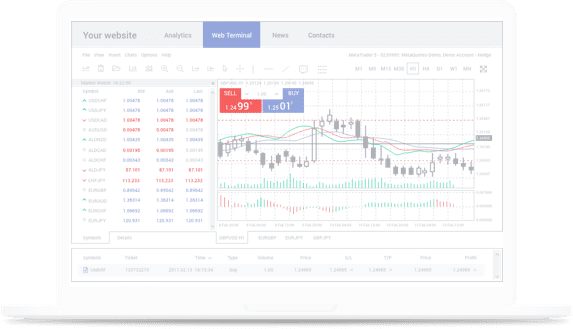
Market volatility is an inevitable aspect of modern financial markets. While it might seem daunting to many, savvy traders have learned to harness this fluctuation to their advantage. One of the tools often employed during periods of market uncertainty is CFD (Contracts for Difference) trading. But how can cfd trading help investors effectively navigate this unpredictability?
Understanding CFD Trading
CFDs enable traders to speculate on the price movements of various financial instruments—stocks, forex, commodities, indices, and more—without owning the underlying asset. When trading CFDs, individuals can profit from both rising and falling markets by either going “long” (buy) or “short” (sell), depending on their market expectations.
The standout feature of CFD trading is leverage. Leverage allows traders to gain larger exposure to the market by depositing only a fraction of the trade’s total value. However, while this magnifies potential profits, it also increases the risk of significant losses.
Why CFD Trading During Volatile Markets?
Market volatility presents a mix of opportunity and challenge. Here’s how CFD trading can be beneficial during such times:
1. Profit from Market Swings
Market volatility often leads to sharp price movements in either direction. CFD trading provides a mechanism to capitalize on both upward and downward trends, making it an attractive option for experienced traders in unpredictable times.
2. Hedging Opportunities
Volatile markets can be full of surprises, and not all price movements work in a trader’s favor. CFDs can act as a hedging tool, helping traders offset risks in existing portfolios by taking opposing positions on the same or correlated assets.
3. Access to Diverse Markets
CFDs allow traders to explore global financial instruments from the comfort of a single trading platform. This diversity means one can find opportunities across different markets, even when certain sectors are more turbulent than others.
Proceed with Caution
While CFD trading provides powerful tools to leverage volatility, it also carries inherent risks. The use of leverage magnifies losses as much as it does profits, and the fast-paced nature of volatile markets can escalate these losses quickly. Risk management strategies, such as stop-loss orders and position-sizing, are vital for any trader engaging in CFDs.
Next Steps
Understanding the intricacies of CFD trading and identifying the right market opportunities can turn volatility from a challenge into an advantage. However, success often hinges on maintaining discipline, researching the market thoroughly, and managing risks effectively.
When approached wisely, CFD trading can provide a unique way to benefit from turbulent market conditions and come out ahead in the financial game.