Daily Archives: February 1, 2025
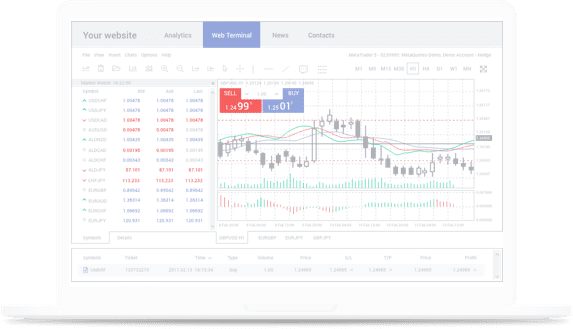
Market volatility is an inevitable aspect of modern financial markets. While it might seem daunting to many, savvy traders have learned to harness this fluctuation to their advantage. One of the tools often employed during periods of market uncertainty is CFD (Contracts for Difference) trading. But how can cfd trading help investors effectively navigate this unpredictability?
Understanding CFD Trading
CFDs enable traders to speculate on the price movements of various financial instruments—stocks, forex, commodities, indices, and more—without owning the underlying asset. When trading CFDs, individuals can profit from both rising and falling markets by either going “long” (buy) or “short” (sell), depending on their market expectations.
The standout feature of CFD trading is leverage. Leverage allows traders to gain larger exposure to the market by depositing only a fraction of the trade’s total value. However, while this magnifies potential profits, it also increases the risk of significant losses.
Why CFD Trading During Volatile Markets?
Market volatility presents a mix of opportunity and challenge. Here’s how CFD trading can be beneficial during such times:
1. Profit from Market Swings
Market volatility often leads to sharp price movements in either direction. CFD trading provides a mechanism to capitalize on both upward and downward trends, making it an attractive option for experienced traders in unpredictable times.
2. Hedging Opportunities
Volatile markets can be full of surprises, and not all price movements work in a trader’s favor. CFDs can act as a hedging tool, helping traders offset risks in existing portfolios by taking opposing positions on the same or correlated assets.
3. Access to Diverse Markets
CFDs allow traders to explore global financial instruments from the comfort of a single trading platform. This diversity means one can find opportunities across different markets, even when certain sectors are more turbulent than others.
Proceed with Caution
While CFD trading provides powerful tools to leverage volatility, it also carries inherent risks. The use of leverage magnifies losses as much as it does profits, and the fast-paced nature of volatile markets can escalate these losses quickly. Risk management strategies, such as stop-loss orders and position-sizing, are vital for any trader engaging in CFDs.
Next Steps
Understanding the intricacies of CFD trading and identifying the right market opportunities can turn volatility from a challenge into an advantage. However, success often hinges on maintaining discipline, researching the market thoroughly, and managing risks effectively.
When approached wisely, CFD trading can provide a unique way to benefit from turbulent market conditions and come out ahead in the financial game.