Tag Archives: cfd trading
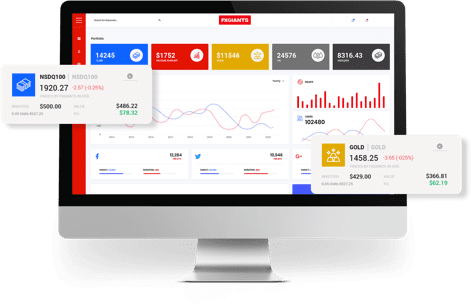
Portfolio diversification has long been a core tenet of smart investing, and online trading platforms have made achieving a diversified portfolio more accessible than ever. By offering a wide array of investment options and tools, these platforms empower investors to spread their risk and maximize potential returns.
Access to a Variety of Assets
One of the biggest benefits of online trading is the sheer variety of assets available at your fingertips. From stocks and bonds to ETFs, mutual funds, and even cryptocurrency, online trading allows you to explore diverse financial instruments easily. This variety ensures that you can distribute your investments across asset classes, sectors, and geographies, reducing your exposure to market volatility.
Real-Time Insights and Tools
Modern trading platforms offer real-time data, analytics, and insights that enable better decision-making. With advanced filters, performance trackers, and risk assessment tools, investors can identify lucrative opportunities while maintaining a balanced portfolio. Diversification becomes more efficient with these features, as they help you monitor and adjust your investments dynamically.
Lower Costs Compared to Traditional Investing
Gone are the days of expensive brokerage fees. Online trading platforms are typically more cost-effective, offering competitive rates or commission-free trading. These savings can be reinvested, allowing you to allocate funds to underrepresented areas of your portfolio, further enhancing diversification.
Flexibility to Diversify on Your Schedule
Most online trading platforms operate 24/7, giving you the freedom to manage and diversify your portfolio anytime you’re available. This flexibility is invaluable for busy professionals or those managing global investments across different time zones.
The Bottom Line
Online trading platforms have revolutionized how investors approach portfolio diversification. With access to a range of assets, intuitive tools, and flexibility, online trading makes it easier to create a balanced investment strategy. By taking advantage of these benefits, investors can protect themselves from undue risk while positioning themselves for long-term growth.
cfds trading, while offering exciting opportunities for profit, also raises several ethical considerations that traders should be mindful of. These ethical dilemmas revolve around the responsibilities traders have not only to themselves but also to the market and other participants.
One of the primary ethical concerns is the potential for market manipulation. Traders must ensure that their actions do not contribute to price distortions or create an unfair advantage. Engaging in practices such as “pump and dump,” where traders artificially inflate the price of an asset to sell at a profit, undermines market integrity and can lead to significant losses for uninformed participants.
Another important consideration is the use of flexible leverage. While leverage can enhance trading potential, it also amplifies risks. Traders have an ethical obligation to fully understand the implications of their leverage choices. This includes recognizing that excessive use of leverage can lead to substantial losses, not just for the trader but also for the broader market if liquidations cause cascading effects.
Transparency is also crucial in CFD trading. Traders should be honest about their strategies and avoid misleading claims about potential profits. Misrepresentation can not only damage personal reputations but also erode trust within the trading community. Ethical trading practices foster a healthier market environment, benefiting all participants.
Moreover, traders should consider the impact of their trading activities on society and the economy. Engaging in responsible trading means being aware of the broader implications of one’s actions. This includes understanding how speculative trading can affect asset prices, particularly in markets for essential commodities or currencies in developing economies.
In conclusion, ethical considerations in CFD trading are multifaceted and essential for maintaining market integrity and trust. By committing to responsible trading practices, traders can ensure that their activities contribute positively to the financial ecosystem while also safeguarding their own interests.